WHAT'S KURABITO STAY
Saku is home to 13 breweries producing the miraculous beverage we call sake. Blessed with abundant water sources and an ideal natural environment, the region has been a center of sake brewing for over 300 years. It is also one of Japan’s foremost rice-growing areas. That profound moment when locally harvested water and rice, through a painstakingly sensitive time-honored process, are at last transformed into sake is a true miracle — a miracle we invite you to experience for yourself. Plunge yourself into the role of a brewer, hone your five senses, and delight first-hand in the artistry of the brewing process created by our ancestors.
Marika Tazawa
Founder and CEO of KURABITO STAY

A Time and Place to Become a Brewer
KURABITO STAY has a double meaning, referring to both the time our guests can spend as a sake brewer, and the physical accommodations and place that make the experience possible. Our logo represents the roof of a sake brewery, as well as the Japanese character 人(hito), meaning “person.” Together, under one roof, brewing sake together. This is the spirit expressed by our company logo.

Human Connections Enrich the Community
Just as sake is born from the workings of human brewers together with microorganisms, the encounters between our guests and local residents serve to “brew” a richer, more vibrant community. In this symbol, the character 人 (“person”) from the KURABITO STAY logo spreads out from one point in infinite directions, and through its connections gives rise to bonds of friendship and harmony. This is the wish behind this design.
Saku Brewery Agritourism Promotion Council

Saku's climate, rice farming, faith,
and sake
This section introduces the rural landscape of the Saku area today and the history of its 13 breweries.
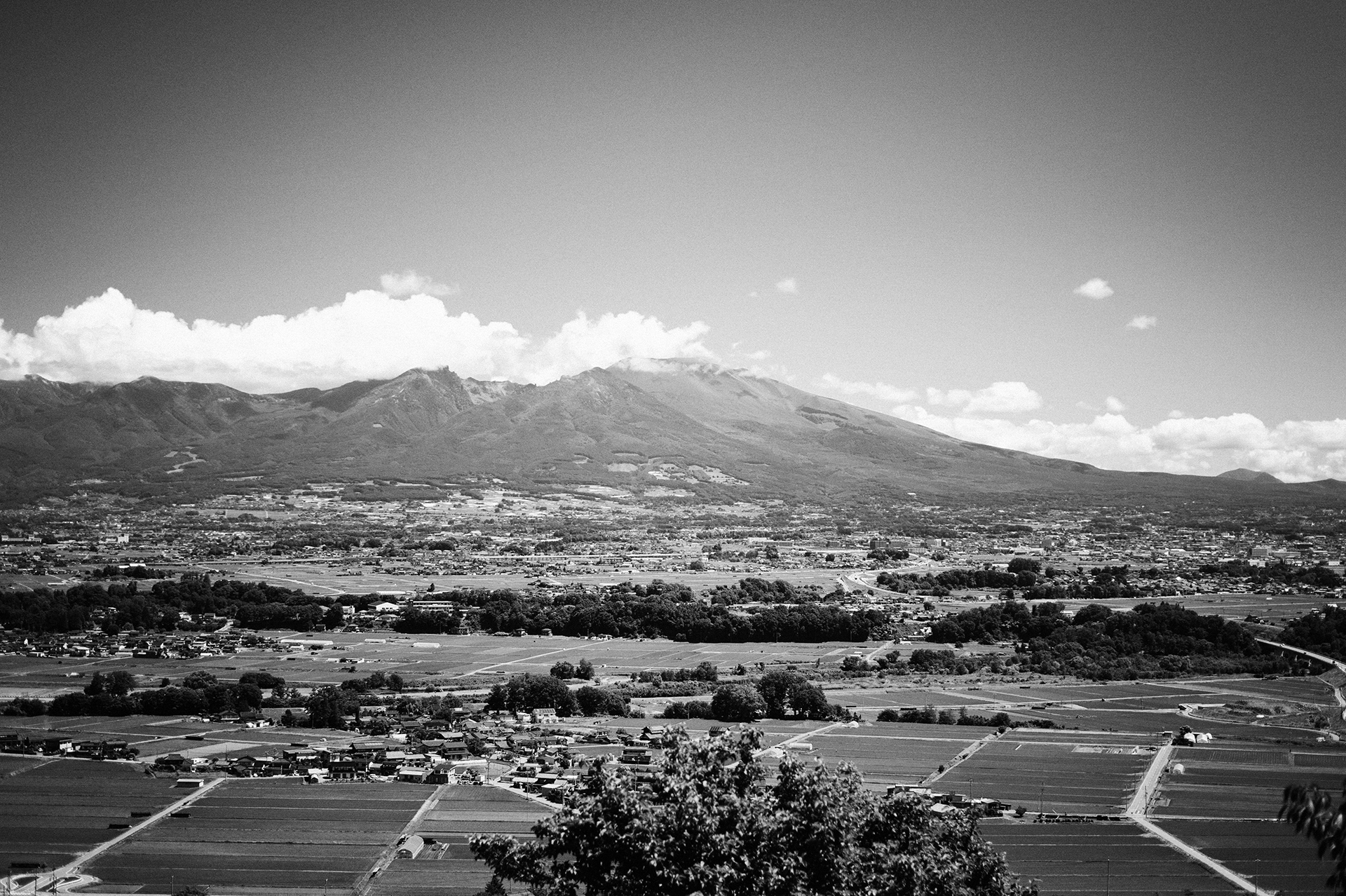
The soil of Saku and
the rice that grows there
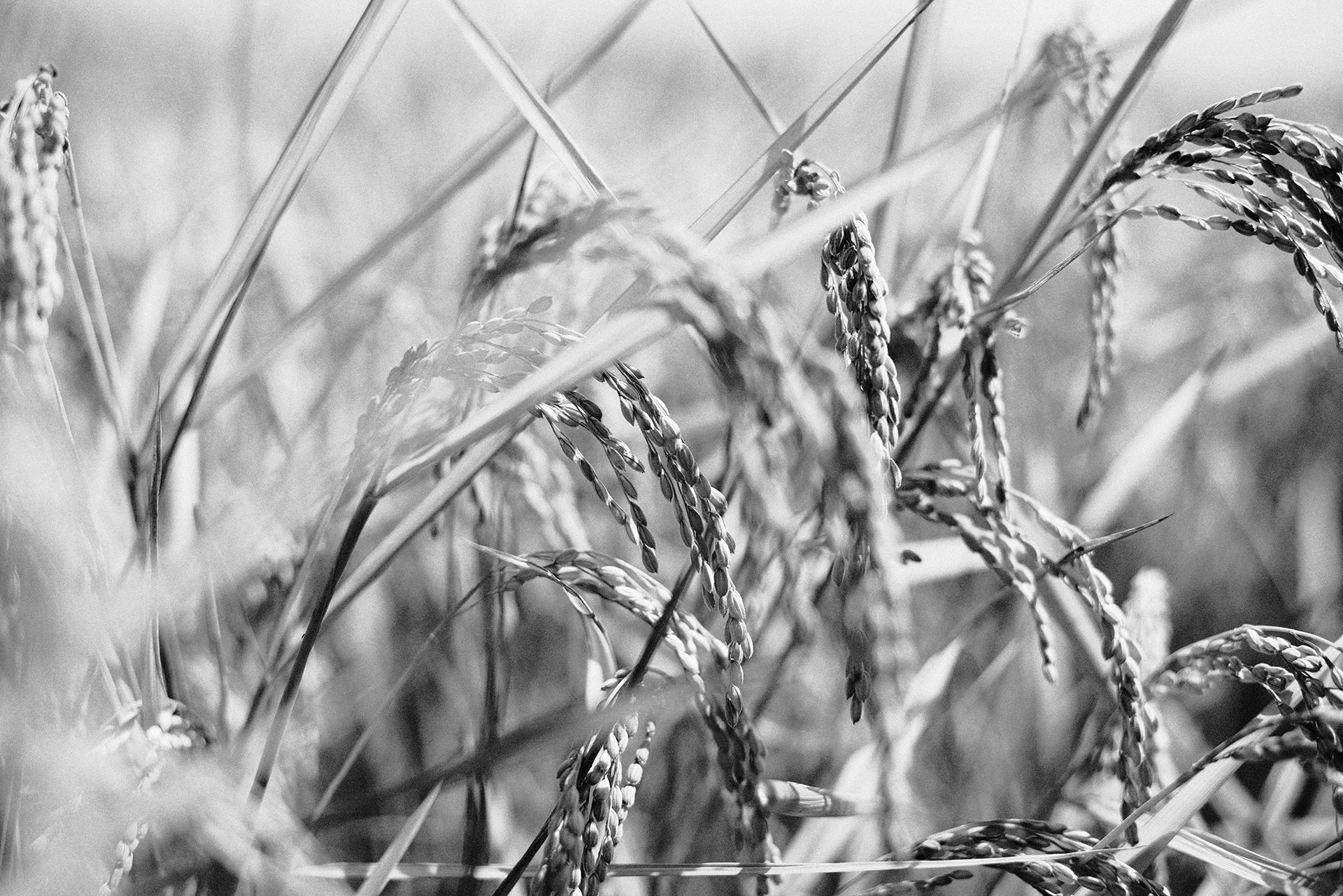
The Saku area of Nagano Prefecture is encircled by mountains: the active volcano Mt. Asama, Mt. Tateshina, the Yatsugatake peaks, the Okuchichibu range and more. The plentiful clear water flowing from these mountains becomes the Shinano River, which traverses the fertile plain from south to north. Agriculture in the Saku area has centered around growing rice since around 200 AD, making it an activity handed down in an unbroken chain through the generations to the present day.
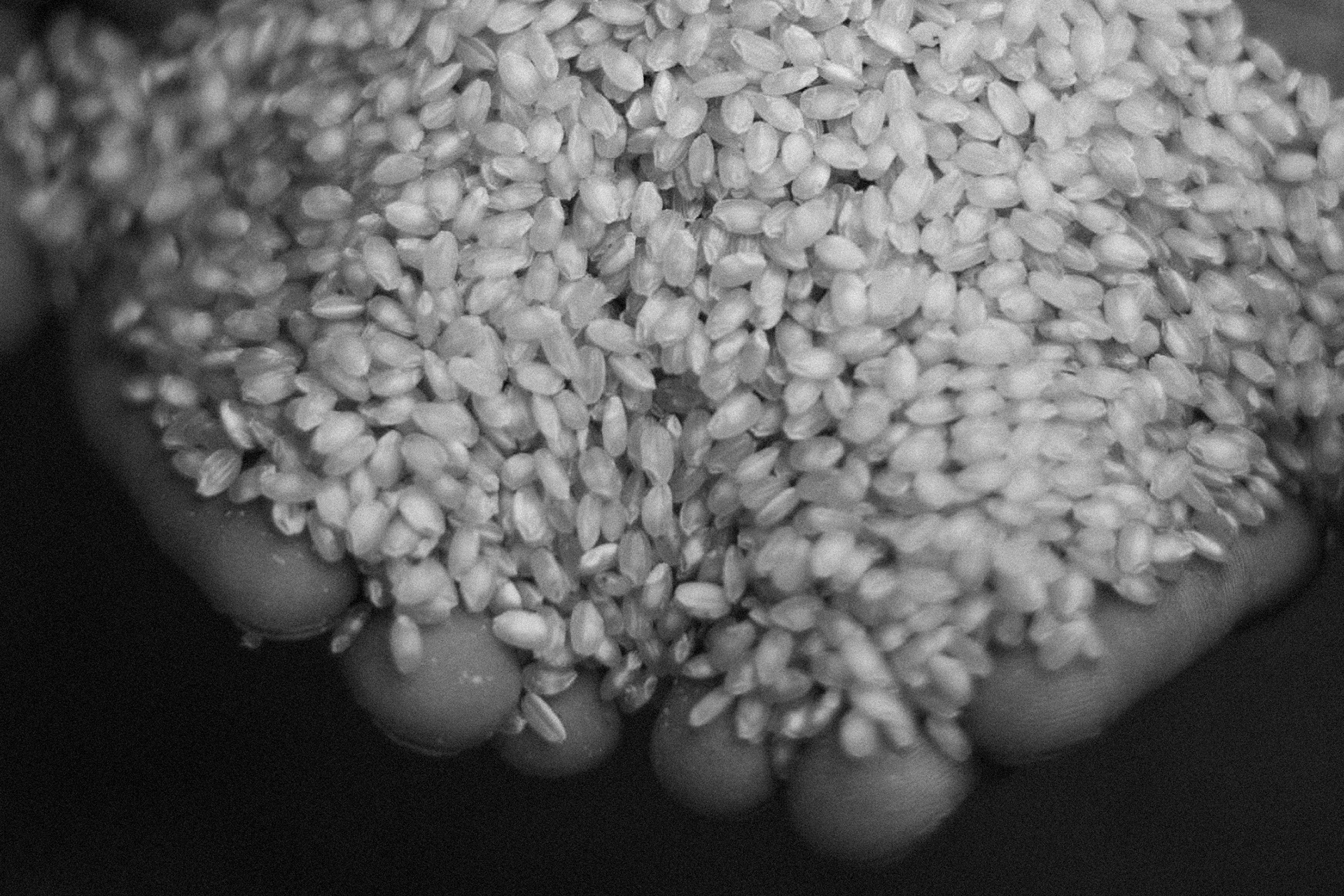
Rice farming and faith in nature
Agriculture dominated human activity in antiquity, and the people living on the land believed that they lived by the grace of nature. Thus, they came to see gods everywhere: in the sun, the mountains and rivers, water and soil, rocks and trees – countless gods in every facet of nature. These animistic beliefs provided fertile soil for the Shinto faith to put down deep roots. Rice farming is deeply entwined with these beliefs, and crops such as rice were seen as a gift to man from the gods.
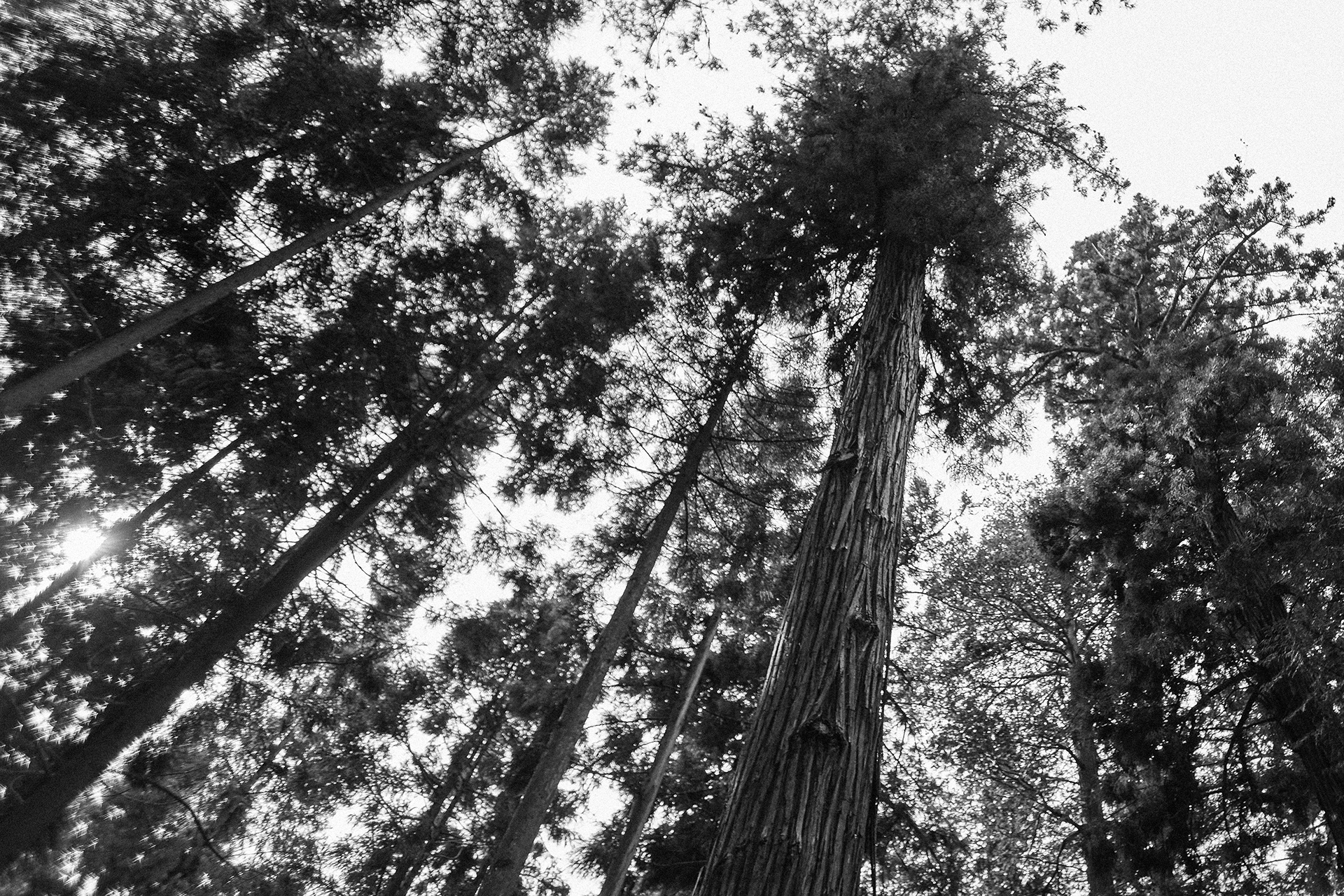
Close to the divine
In the Shinto faith, the gods are never far away. There is a god that watches over the village, gods of rice and good harvest, gods of fire and water. Shinto gods play a wide range of roles in human society, ensuring bountiful harvests, blessing families with children – everything that makes life good. And these efforts are said to exhaust them, so the people hold festivals called matsuri to restore their strength.
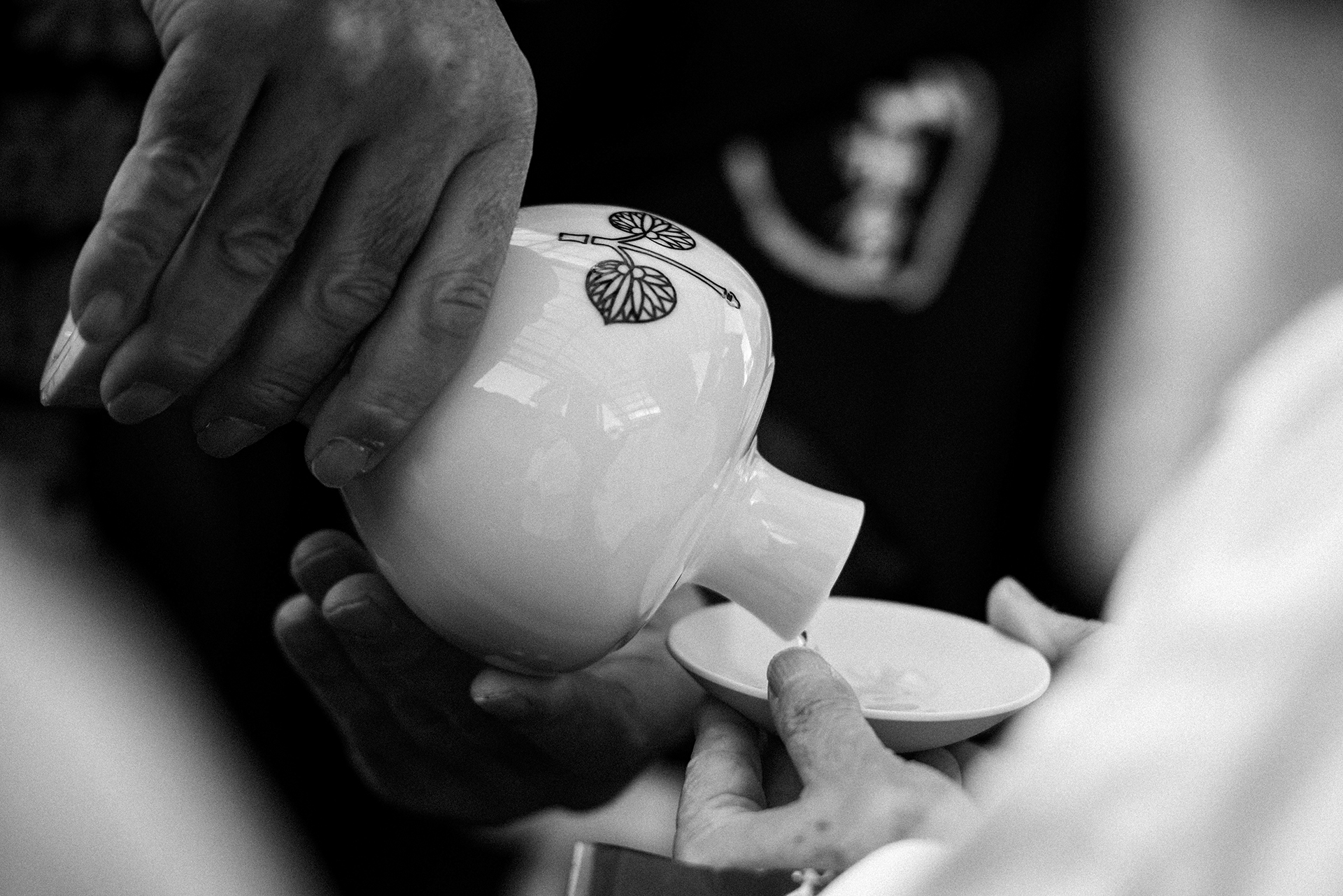
Prayers, festivals and sake
Harvested crops are offered to the gods as a meal during matsuri, as people pray for abundant harvests, health and safety. Two of the most important offerings are rice, and the sake made from it. Worshippers believe that the crops offered up to the gods at the matsuri and then shared among themselves will ensure long and healthy life, including special sake only drunk during the festival.
Irrigation and
the spread of rice farming
Between the middle ages and the Warring States period (1185–1615) rice fields spread across every area with a river or other water supply, expanding over plains and valleys. And as the fields expanded, people moved with them and started to live in new places. At the beginning of the Edo Period, improvements in river engineering and irrigation technology led to development of rice fields in the Saku area, in particular the new Gorobei rice fields in the Asashina area. The population grew, and the amount of rice produced grew with it.
Flourishing sake traditions
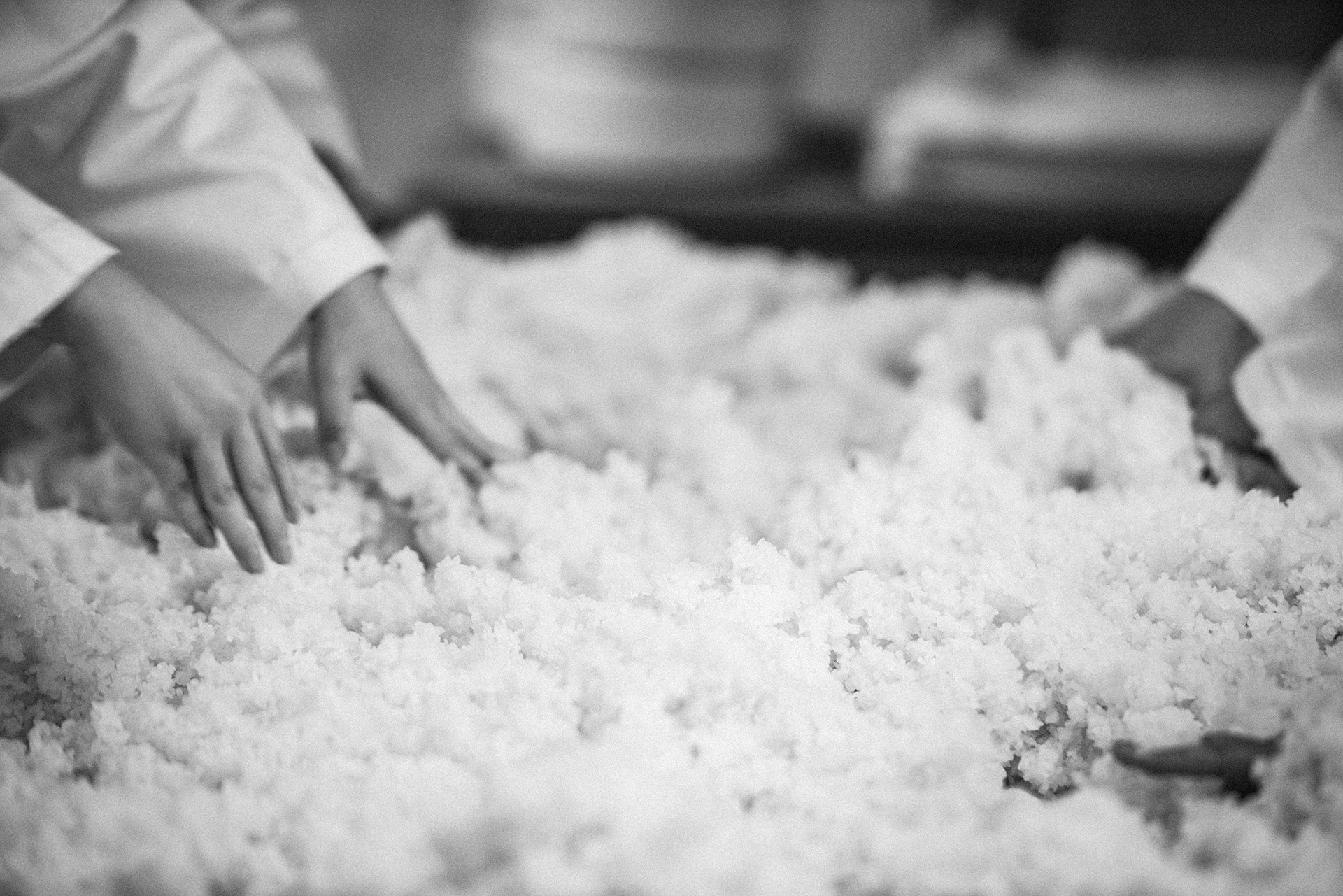
The Muromachi Period (1185–1333) saw the rise of the merchant class, and the Kamakura Period (1333–1568) witnessed an explosive increase in the number of sake makers. Then sake brewing techniques improved and sake making prospered during the Edo Period (1603–1868). Sake was once only used to communicate with the gods during festivals, but from that time it became available to everyone. Many sake breweries were founded in the Saku area between the Edo and Meiji Periods (1603–1912).
The 13 Saku sake breweries
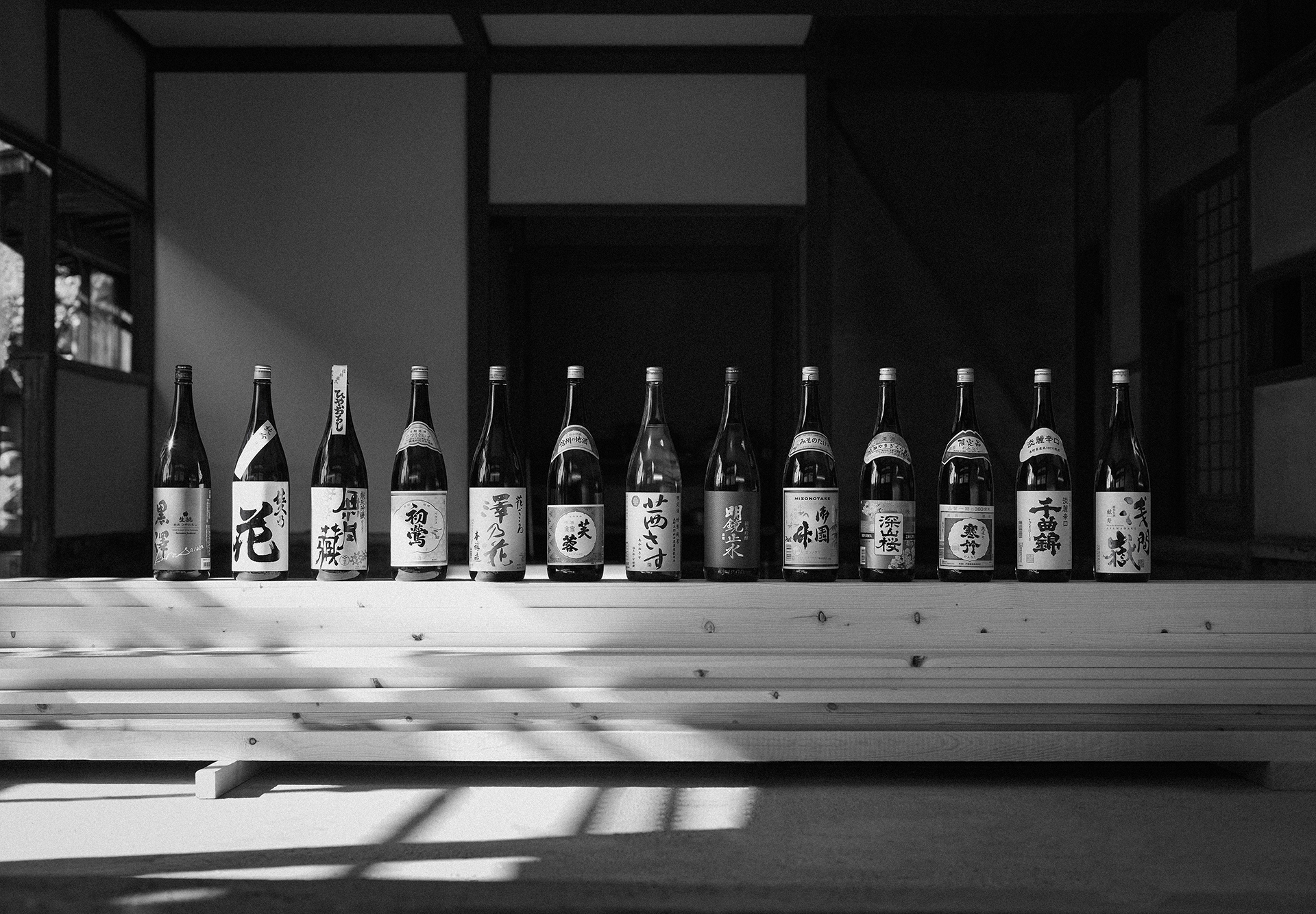
There are currently 13 sake breweries in the Saku area, making it one of the centers of sake production in Japan. Each of the 13 breweries has their own philosophy and approach, and brews with the plentiful clear water from the Yasugatake peaks, Mt. Tateshina and Mt. Asama. They brew in harmony with the local climate, putting their skills to use to create highly individual and delicious sake loved by the local community.