 Sat. Sep.19th - Mon. Sep.21st, 2026【Program confirmed】3 spots still available
 139,800 yen (tax included)
KURABITO EXPERIENCE
KOJI Master
ー 48 Hours of Tradition Through All Five Senses ー
Experience the Complete Koji-Making Process at a Historic Sake Brewery
Step into a 300-year-old sake brewery and learn its time-honored brewing techniques directly from the toji (master brewer), crafting koji with your own hands.
Surrounded by the naturally sweet aroma that fills the koji room, you will witness and participate in the full 48-hour transformation as koji comes to life. Over the course of two nights and three days, you will be immersed in every stage of the koji-making process.
The “Koji Master” program provides you the opportunity to cultivate rice koji slowly and attentively, almost in dialogue with the koji mold itself. Between hands-on sessions, we will hold our popular sake seminars, allowing you to gain deep and structured knowledge efficiently.
This program welcomes first-time participants as well as returning guests who wish to review and deepen their understanding of koji and Japanese sake. On the first evening, enjoy a special dinner gathering with Inoue toji of Kistukura Sake Brewery — an intimate opportunity to connect, converse, and share insights over the table.
※By running two separate koji batches on staggered schedules, participants are able to experience the entire koji-making process efficiently within the 2-night, 3-day program.
The complete process includes:
rice washing, steaming, bringing the rice into the koji room (hikikomi), initial mixing (tokomomi), first turning (kirikaeshi), transferring to trays (mori), mid-stage work (naka-shigoto), final work (shimaishigoto), removing the finished koji (de-koji), and grading/sorting the koji.
Languages Supported
With additional explanation in English.
(Mainly held in Japanese, but supplementary explanations will be given in English.)
Minimum Number of Participants
5 people
*We reserve the right to cancel the event if we do not reach the minimum of 5 applicants.
Dates
Sat. Sep. 19th~ Sun. Spr.21st (2-night, 3-day)
Available for 8 to 10 People (8 rooms)
We have 8 rooms in total: 6 single rooms, 2 rooms for 1-2 people.
* If you are applying for 2 people, please let us know at the time of application which room type you would like. If there is no mention about it, we will contact you by email.
Fee
Includes lodging for 2 nights and 3 days, along with 3 meals (2 breakfasts, 1 dinner)
ーAdultsー
The price of 139,800 yen (per person, tax included)
includes the Kurabito Experience (hands-on koji making experience) and souvenirs: an original KURABITO STAY tenugui (hand-cloth), and English support
*Due to safety concerns, we cannot accept reservations from minors.
Special Presents
– All pictures taken during the Kurabito Experience will be made available for download. (For safety and hygiene concerns, please be aware that you will not be allowed to bring your camera or smartphone into the brewery with you during the experience. Instead, KURABITO STAY staff will endeavor to take numerous candid photos of all of our participants.)
– At the end, you will be presented with a certificate commemorating your completion of the Kurabito Experience.
Also included in the fee:
Koji making lessons, rental boots to be worn during the experience, rental work clothes, tasting seminar fee (including course materials), two nights’ lodgings, dinner on the first night at Cuisine Lemon (featuring a special menu for sake brewers and three varieties of sake from Saku, carefully chosen by the proprietor), and breakfast (a healthy meal for sake brewers) on the second and third days(*)., completion certificate, and insurance.
(*Lunch and dinner on Day 2 are not included in the fee. You can go to eat at any restaurant of your choice in the area.)
“All you can drink” service during your stay!
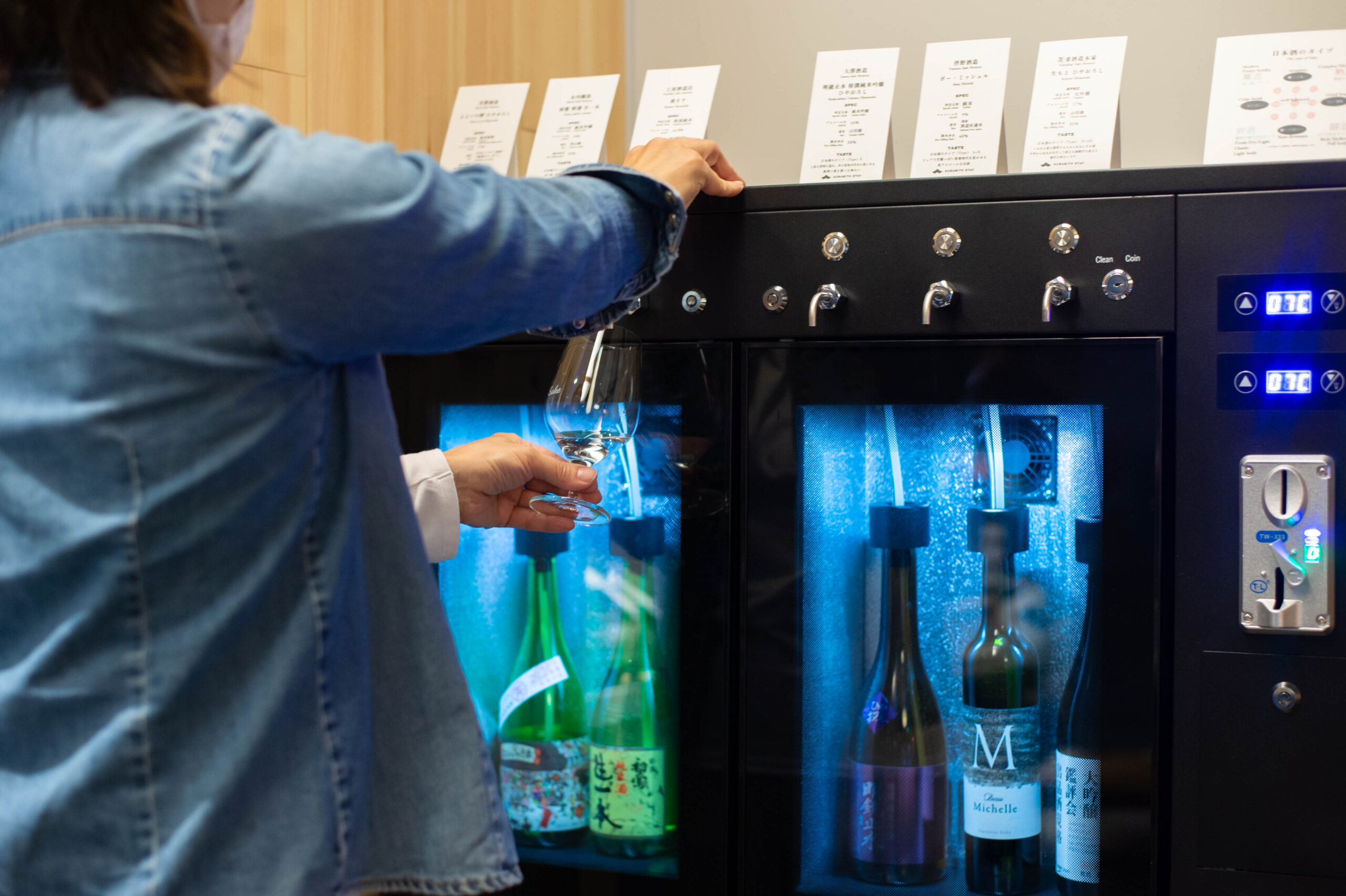
KURABITO STAY has a free-flow “sake server” on the first floor of our building. Guests can enjoy Kitsukura-shuzo’s limited sake and seasonal sake from the Saku area free of charge.
Schedule
=== Day 1===
Visitors should plan to arrive at KURABITO STAY by 13:45 (Check-in is possible from 13: 00 onward.)
※Please change into KURABITO STAY’s work clothes before the orientation.
14:00 – 14:45 Orientation
14:45 – 15:45 Sake seminar and a tour of the brewery facilities
15:45 – 16:00 A traditional purification ritual will be conducted before entering the brewery.
16:00 – 16:30 Sake brewing experience (washing rice)
16:30 – 17:00 Sake brewing experience (Sorting Koji)
17:00 – 17:15 – Break
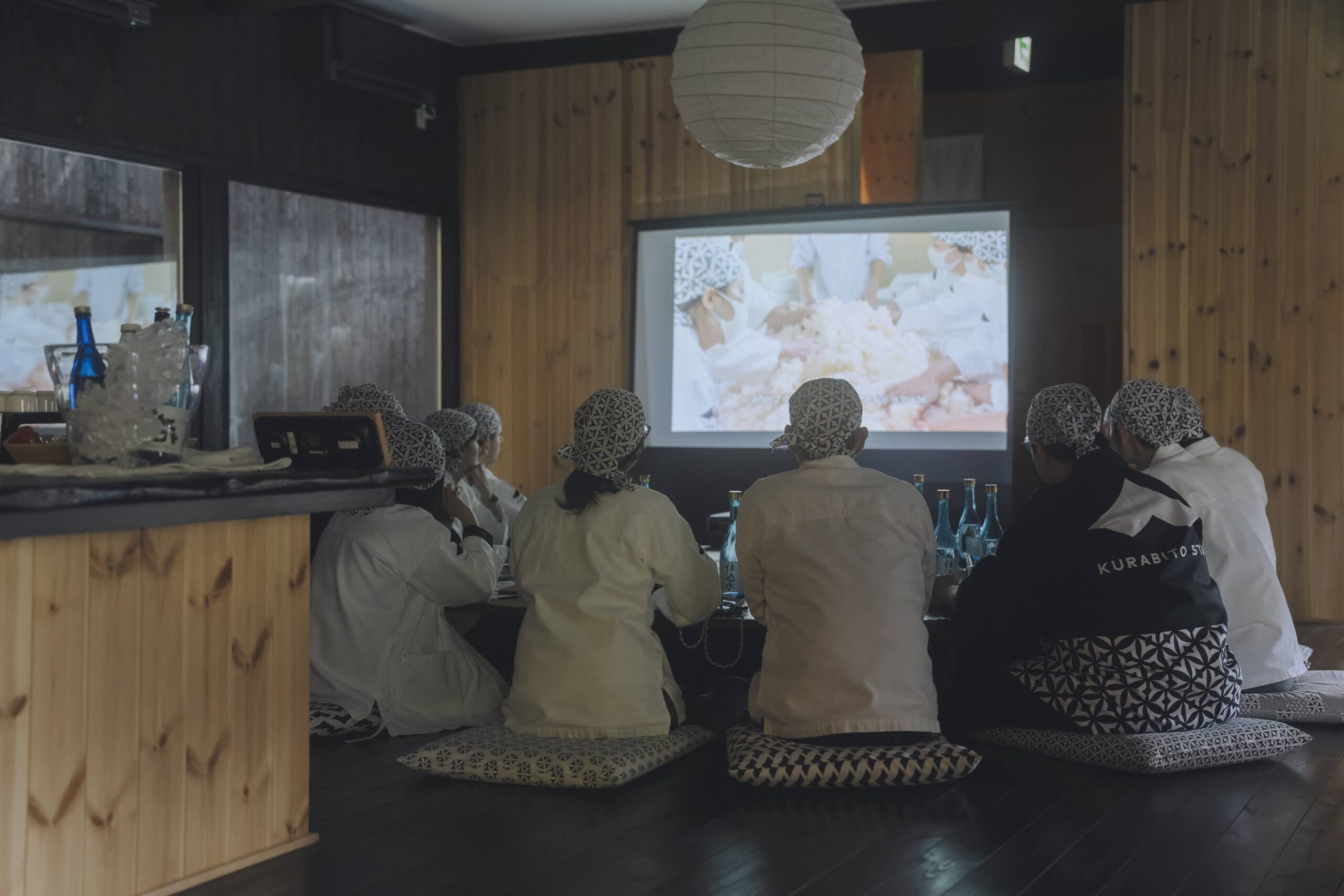
17:15 – 17:45 Koji seminar
You’ll learn all about this remarkable fermenting agent and its many health benefits.
After a short break, we will walk to the restaurant for dinner. (about 7-minutes)
18:00 Dinner (Socialize with the 19th head of Kitsukura-shuzo, President Tyler Ide and the brewery’s toji Mr. Inoue.
Includes 3 types of sake recommended by President Tyler and toji to enjoy with a special menu.
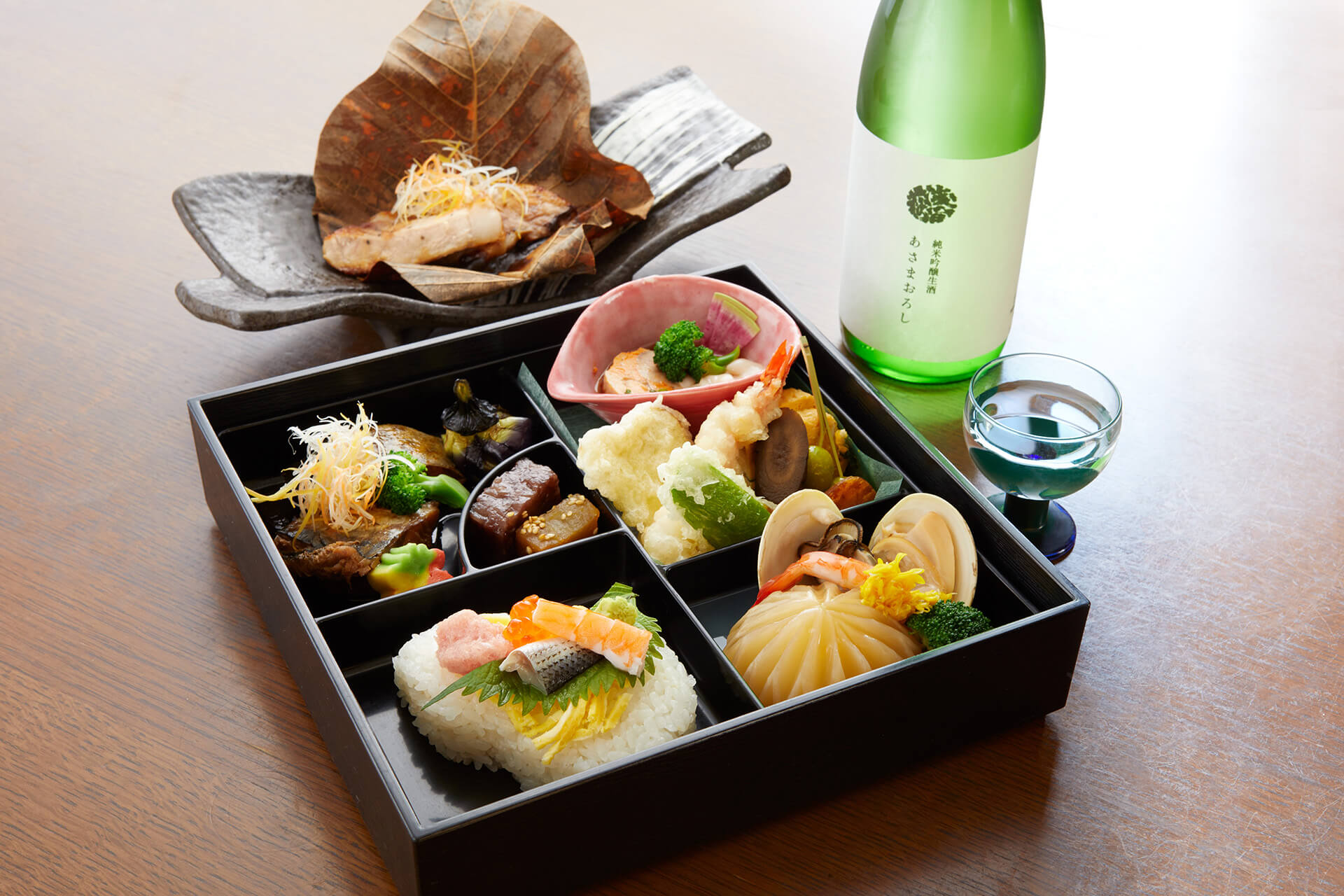
(Representative image)
Restaurant: Cuisine Lemon
Operated by an owner-chef who trained at high-end Japanese restaurants in Tokyo’s Ginza and Roppongi districts, Cuisine Lemon features locally sourced ingredients like Shinshu salmon and prunes and Saku carp all prepared masterfully into artistic, delightful dishes. Savor a gorgeous Japanese meal flavors tastes you can only find in Saku, paired with local sake for a singular experience.
* Food and drink orders in addition to the provided course will incur a separate fee.
After dinner, return to KURABITO STAY (7-minute walk)
Rest for the next day’s work.
=== Day 2 ===
7:00 – 7:30 a.m. Breakfast (a healthy meal for sake brewers; with everyone saying “Itadakimasu!” together)
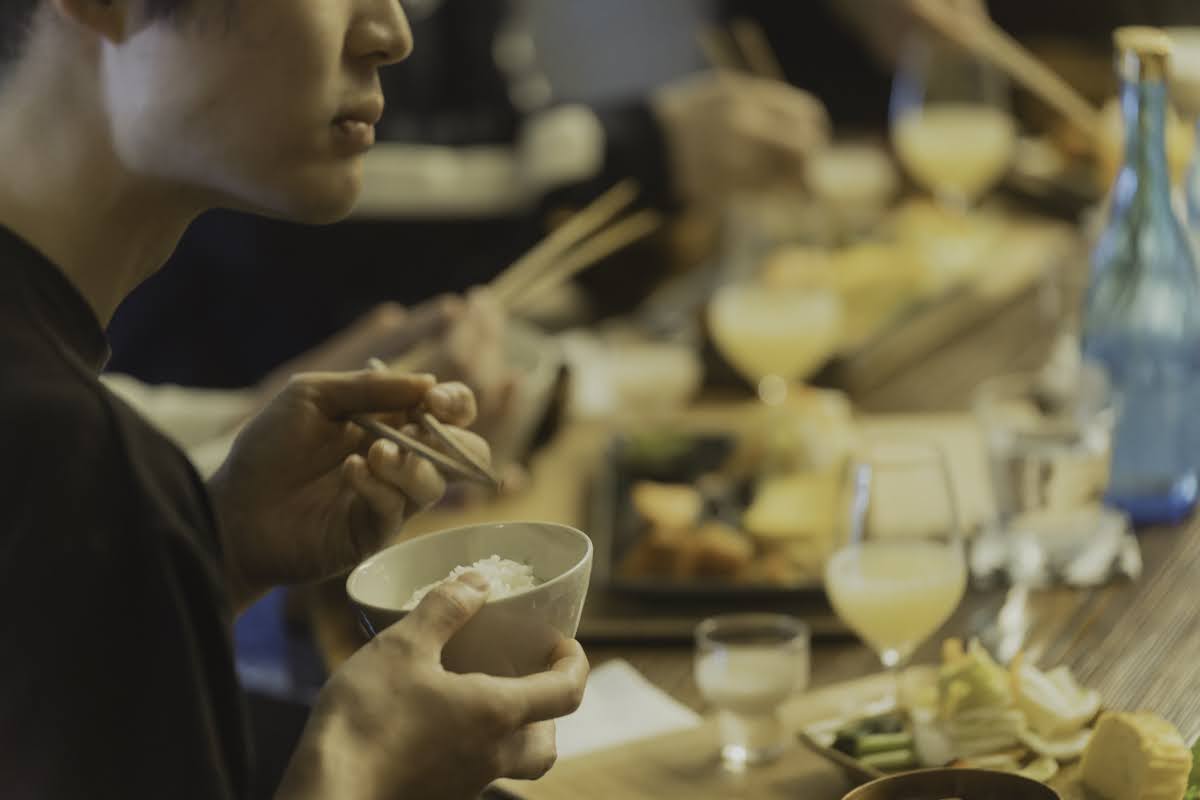
(Representative image)
8:00 – 8:20 Kurabito Experience: Preparation for Steaming
The rice that was washed the previous day will be steamed over the course of approximately one hour.
8:30 – 9:30 Kurabito Experience: Kirikaeshi to Mori / Koji Room
Clumps of steamed rice are carefully loosened to release excess heat and moisture. The rice is then gathered together again and covered with cloth to rest.
Note: This session works with rice koji that was brought into the koji room the previous day and is already in progress in the fermentation cycle.
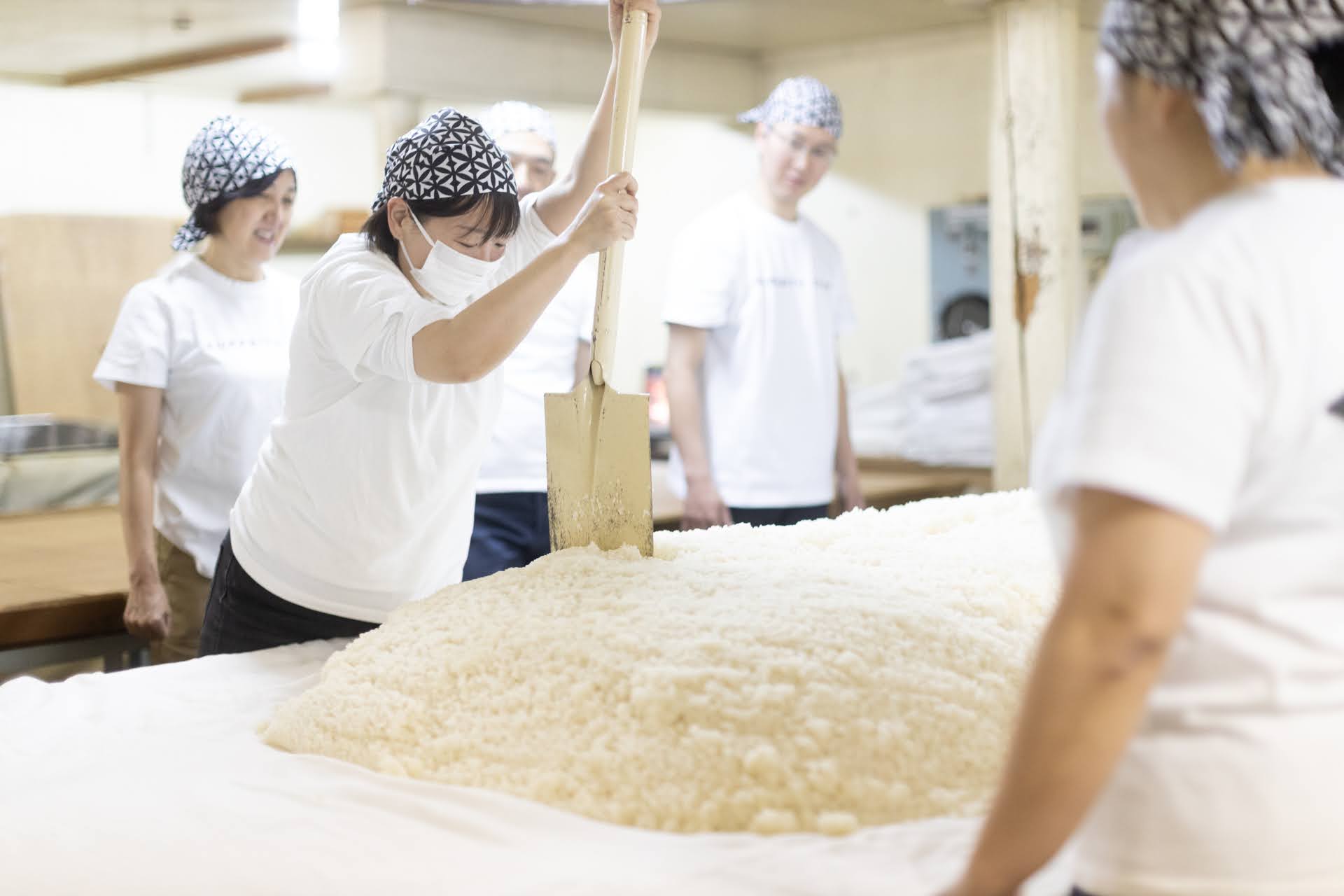
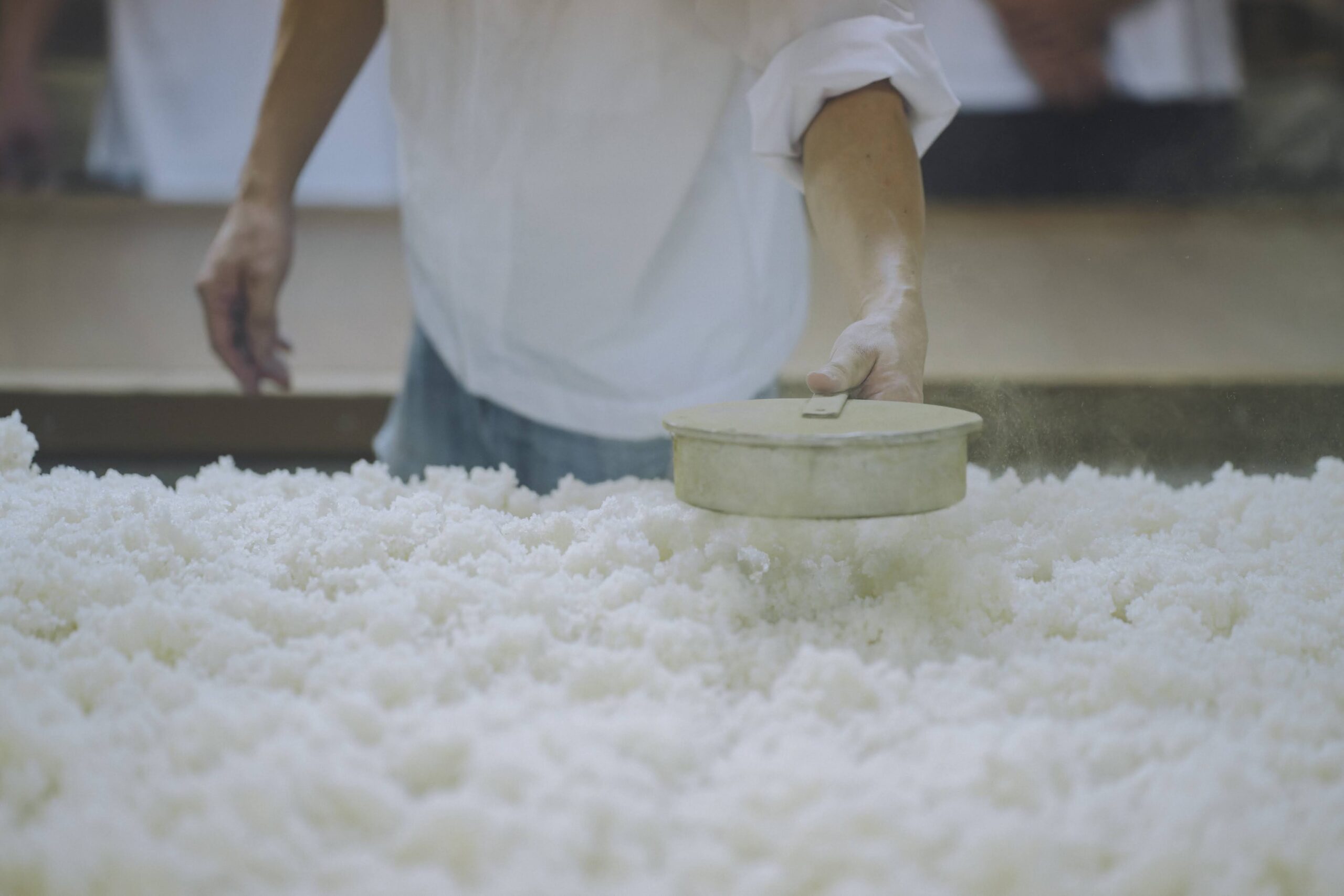
9:30 – 10:45 Kurabito Experience: Carrying (Katsugi), Cooling (Hōrei), Transfer to the Koji Room (Hikikomi), and Koji-Making – Tokomomi / Koji Room
After transporting the freshly steamed rice into the koji room, the toji carefully sprinkles the koji spores over the rice. The rice is then meticulously mixed by hand to ensure the spores are evenly and uniformly distributed throughout – the crucial first step in cultivating high-quality rice koji.
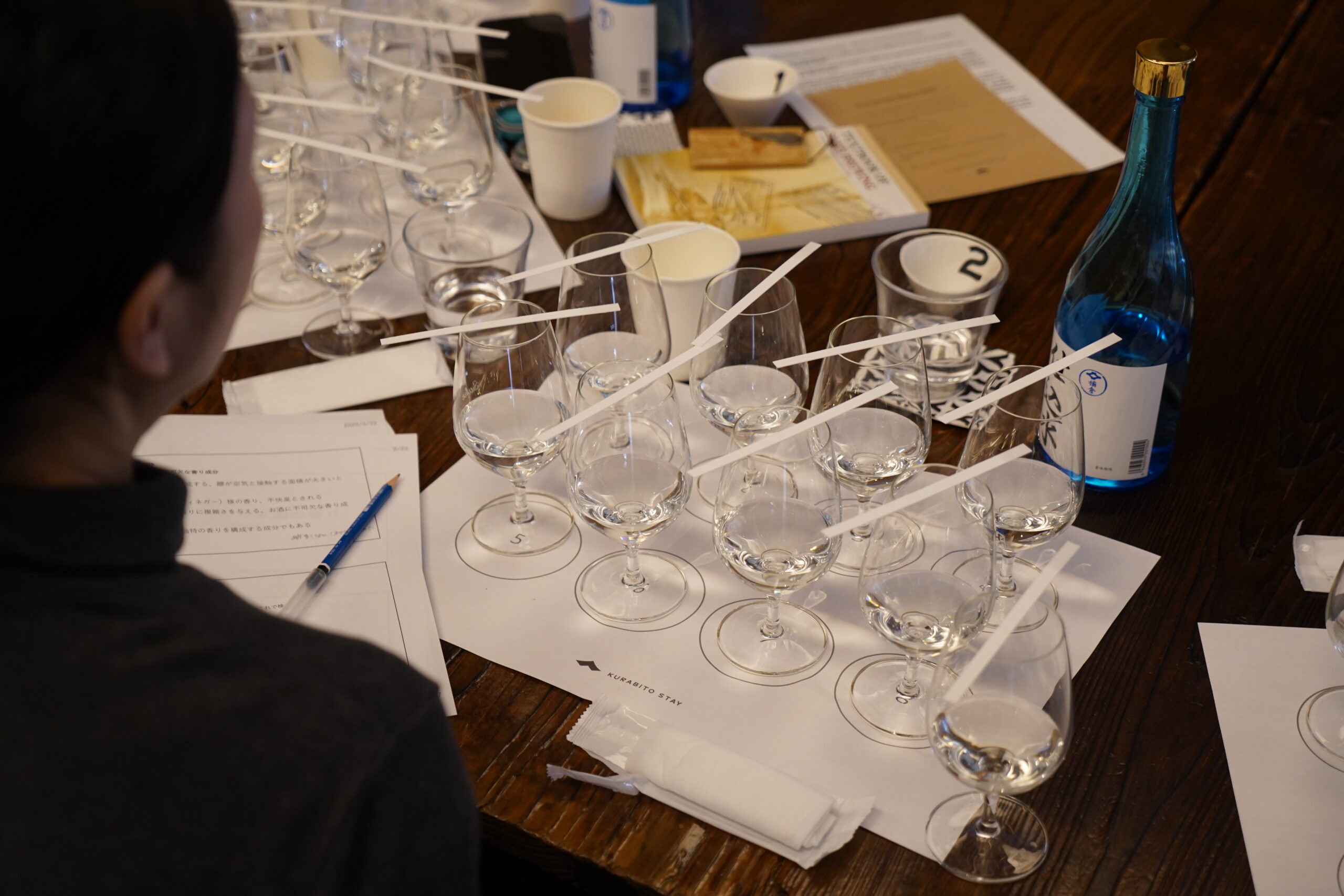
11:30 – 12:30 Tasting lecture
– What Determines the Aroma of Sake? A Detailed Exploration of Sake’s Aromatic Compounds and Their Origins –
In this lecture, you’ll learn about 8 important aromas in sake with the help of samples containing aroma training solutions. You’ll deepen your knowledge of desirable aromas such as ethyl caproate and isoamyl acetate, as well as some generally seen as negative, such as diacetyl (rancid) and isovaleraldehyde (nama-hine), and enjoy a lively discussion about what brewers do during production to keep the aroma of their sake balanced.
12:30 – 15:00 Free time
Enjoy lunch wherever you want.
We recommend one of “Kurabito Friendly” restaurants in Saku town!
15:00 – 15:30 Kurabito Experience: Naka-shigoto (Mid-Stage Work) / Koji Room
After the mori stage, the temperature gradually rises again as the koji continues to propagate. To prevent overheating, the rice grains—now beginning to bind together due to mold growth—are carefully separated once more and evenly spread inside the koji trays (kojibuta) to create a uniform thickness.
By spreading the rice, excess heat and moisture are released, and the surface area exposed to oxygen increases, supporting healthy koji development. The rice is then covered with cloth again, allowing the temperature to rise naturally as cultivation progresses.
Note: This session works with rice koji that was brought into the koji room the previous day and is already in progress in the fermentation cycle.
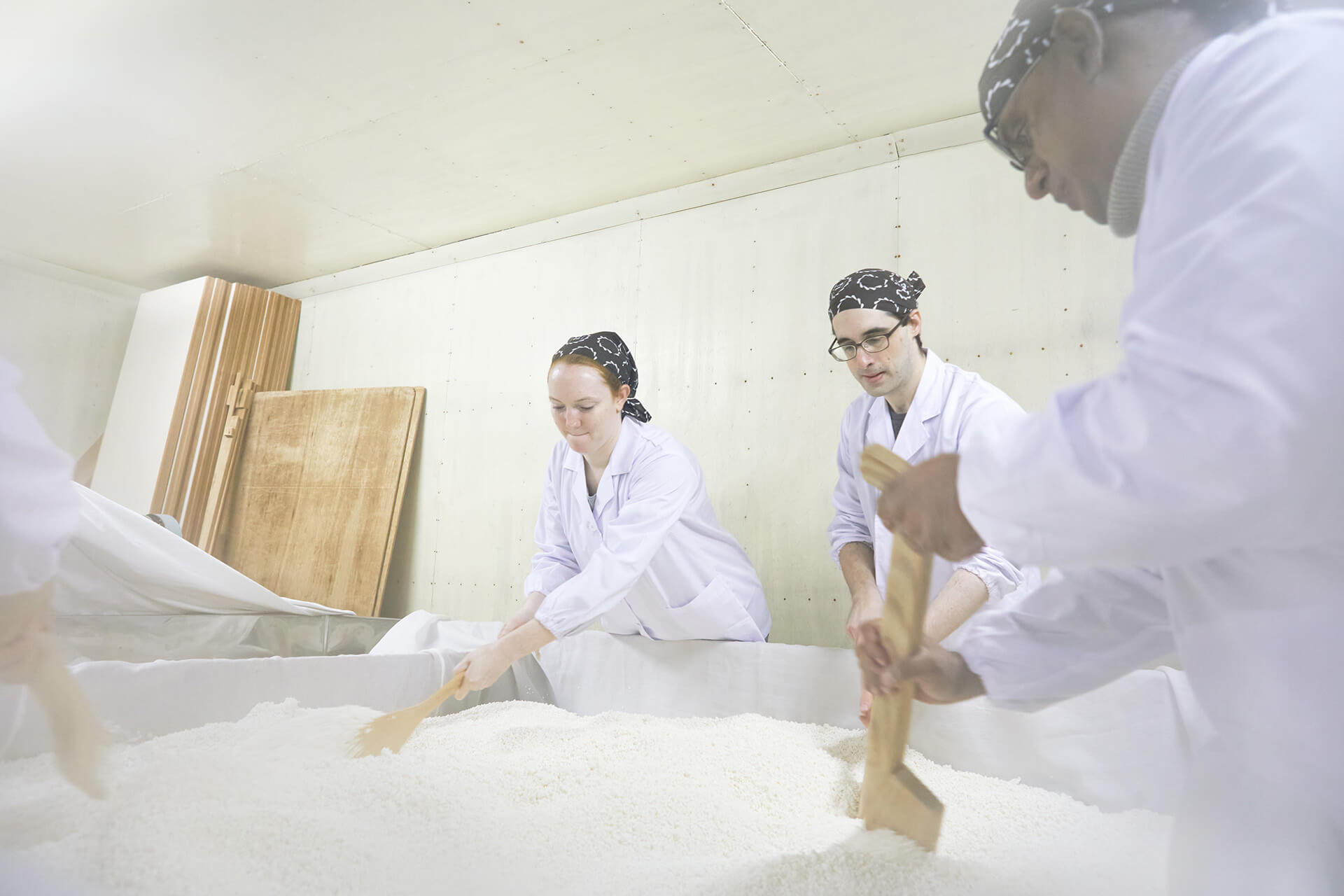
15:30 – 16:00 Kurabito Experience: Kirikaeshi to Resting / Koji Room
The rice koji that was brought into the koji room in the morning shows clear signs of life – by late afternoon, it generates heat and begins to form firm clusters. The entire batch is carefully turned and loosened to break up these clumps, preventing self-digestion (autolysis) and ensuring stable cultivation.
This turning process supplies oxygen to the rice koji and creates an optimal environment for the continued growth of the koji mold. After kirikaeshi, the rice is allowed to rest once again.
16:00〜16:30 Break
16:30 – 17:30 Sake tasting seminar with Tyler Ide, President of Kitsukura Sake Brewing Company.
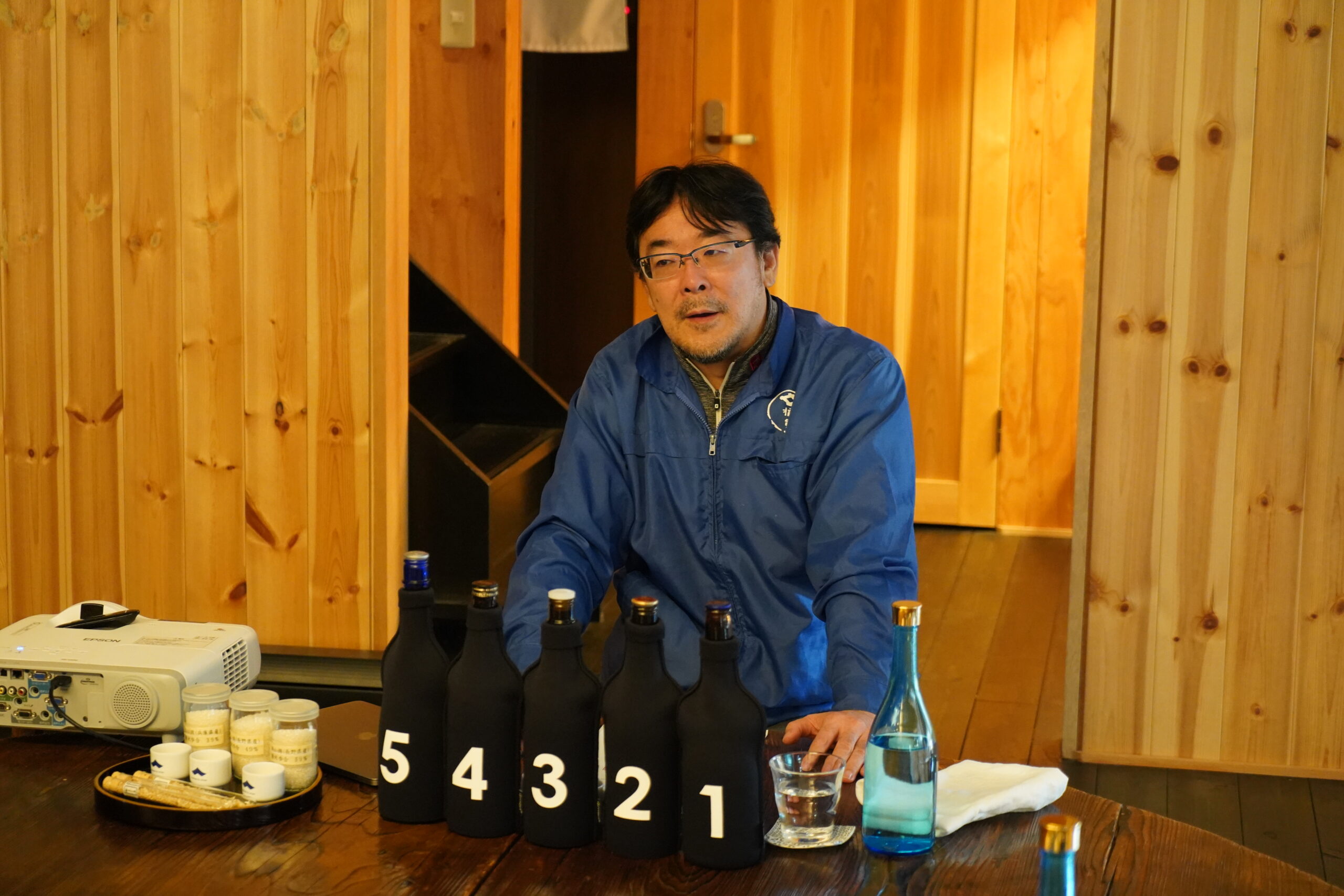
18:00 – 18:30 Kurabito Experience: final mixing of rice, in the koji room
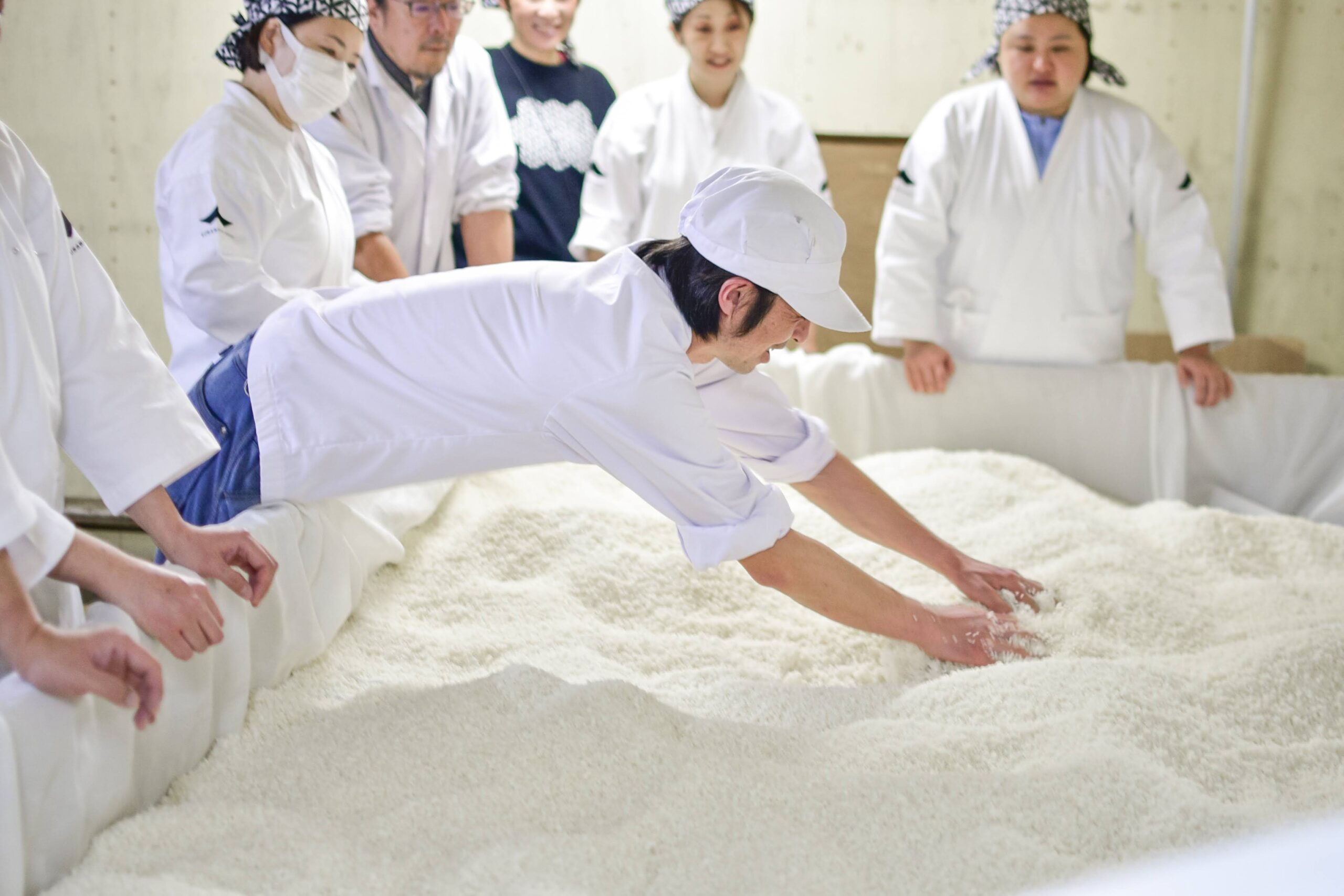
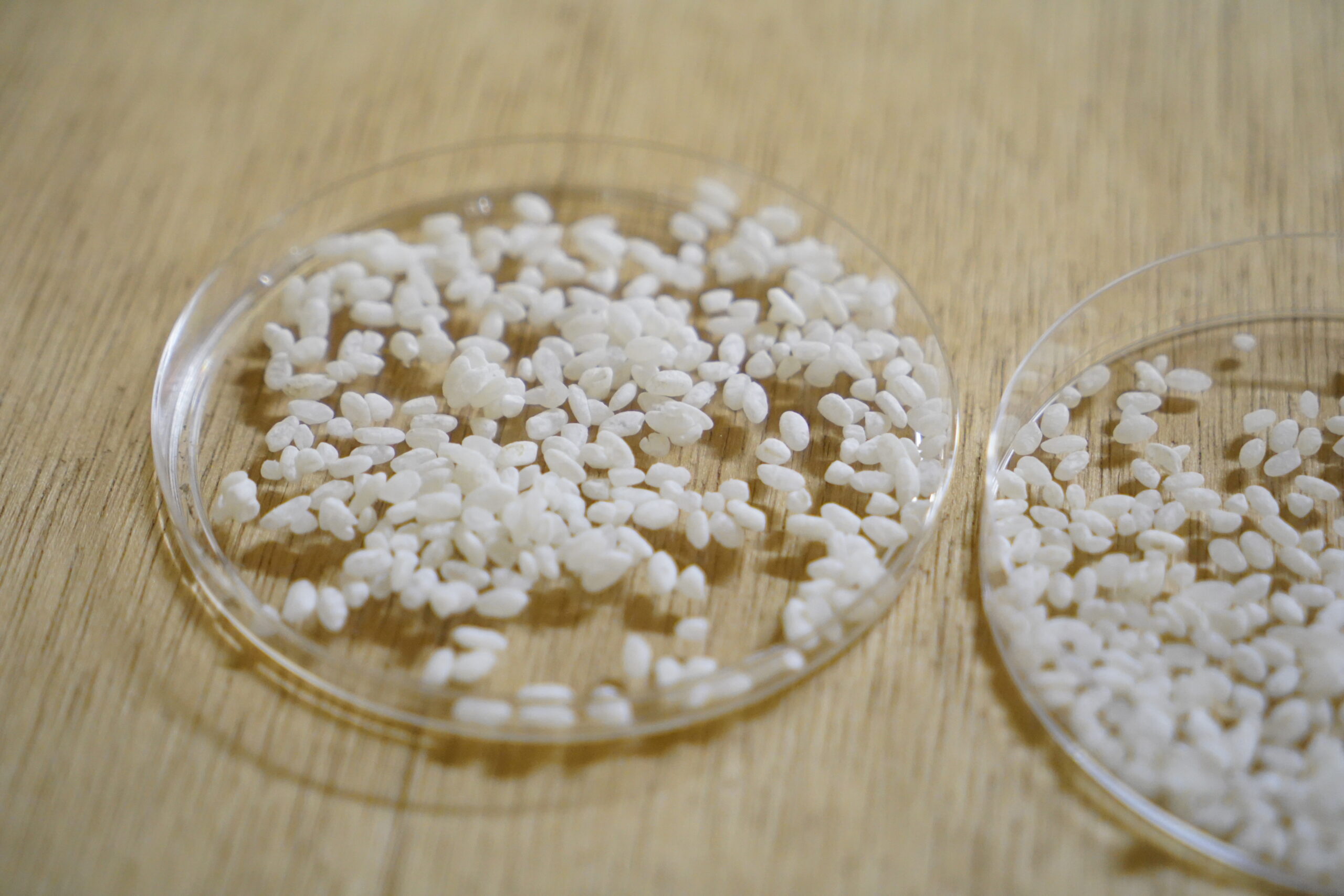
5-7 hours after the second mixing, the koji is growing into the rice and the process is almost complete. As the enzyme amylase (which breaks carbohydrate down into sugar) becomes most active from temperatures just over 40°C, the rice is mixed again when the temperature reaches around 38.5°C to even out any hot or cold areas and release excess moisture before the fermentation process generates even more heat.
Note: This session works with rice koji that was brought into the koji room the previous day and is already in progress in the fermentation cycle.
Break
18:30〜
Free time
For dinner on the second day, you may eat at the establishment of your choice.
We encourage you to take this opportunity to eat at one of Saku’s “Kurabito Friendly” shops.
=== Day 3 ===
7:00 – 7:30 a.m. Breakfast (a healthy meal for sake brewers; with everyone saying “Itadakimasu!” together)
9:00 – 10:00 Kurabito Experience: Taking the finished koji out of the koji room
Note: This session works with rice koji that was brought into the koji room two days prior and is already in progress in the fermentation cycle.
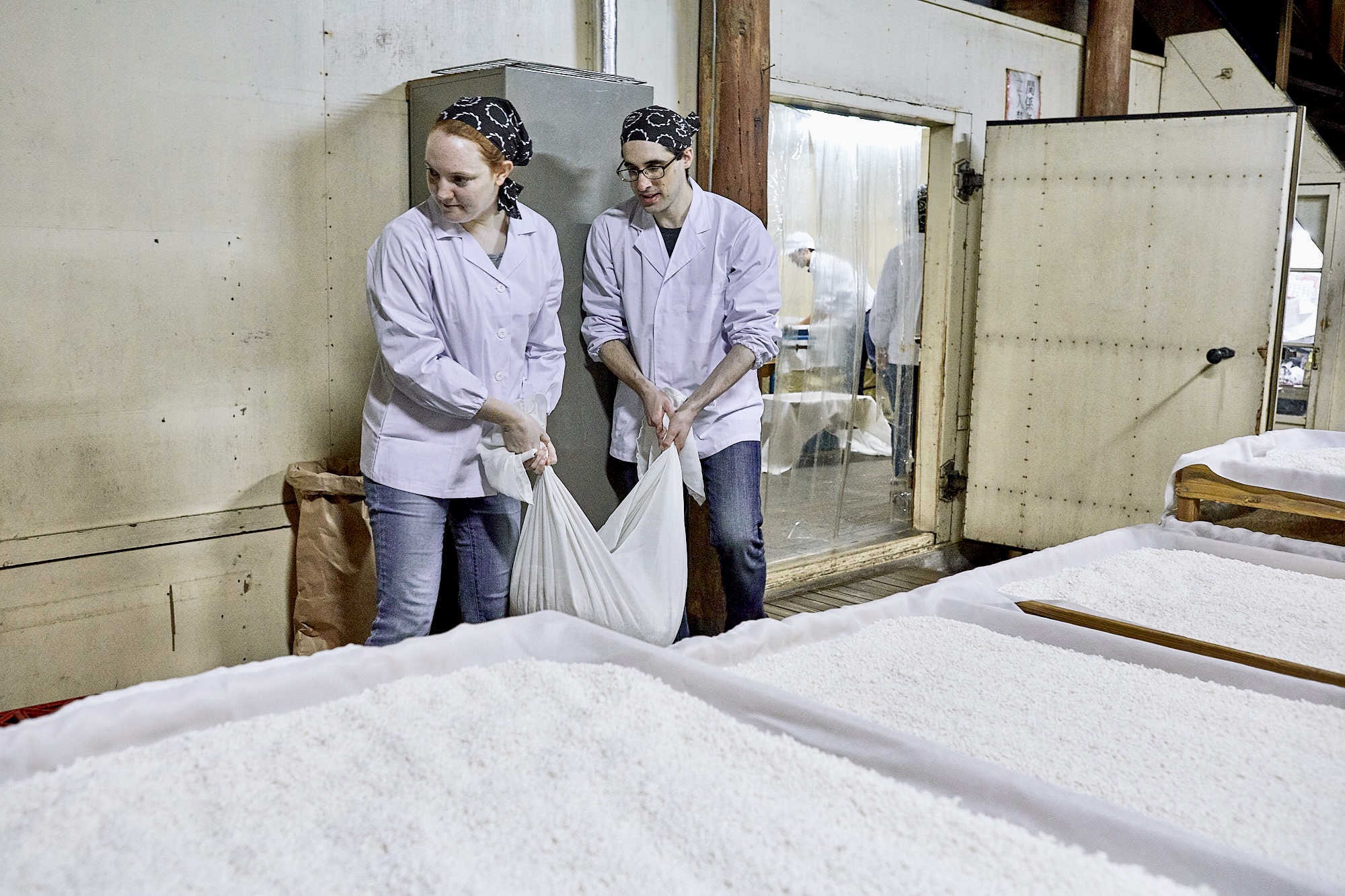
8:30 – 9:30 Kurabito Experience: Kirikaeshi to Mori / Koji Room
Clumps of steamed rice are carefully loosened to release excess heat and moisture. The rice is then gathered together again and covered with cloth to rest.
〜11:30 Break
11:30 – 12:00 Final examination!
A review of the 2 nights and 3 days experience!
We will hold a ceremony where the brewery president will present each participant with an “Experience Completion Certificate.”
Checkout (payment)
After checkout, you’ll have the opportunity to buy souvenirs for the road.
The experience will end at around 12 noon.
For lunch, we encourage you to patronize another of the “Kurabito Friendly” shops in the area.